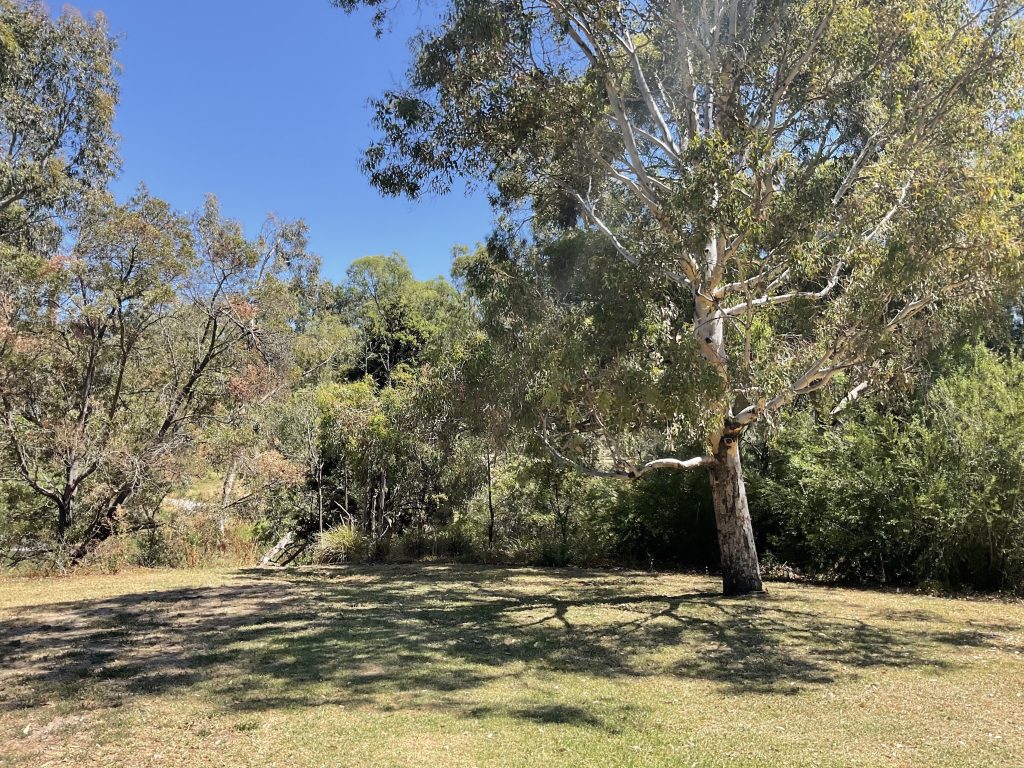
Didirri is the Aboriginal practice of deep listening. In this activity, students will undertake a 10-minute walk from Deep Rock (see map point B) to Dights Falls (map point C) in complete silence, using all of their senses to “listen” to the natural environment.
Students will walk in small groups and are encouraged share their observations during the walk using non-verbal communication.
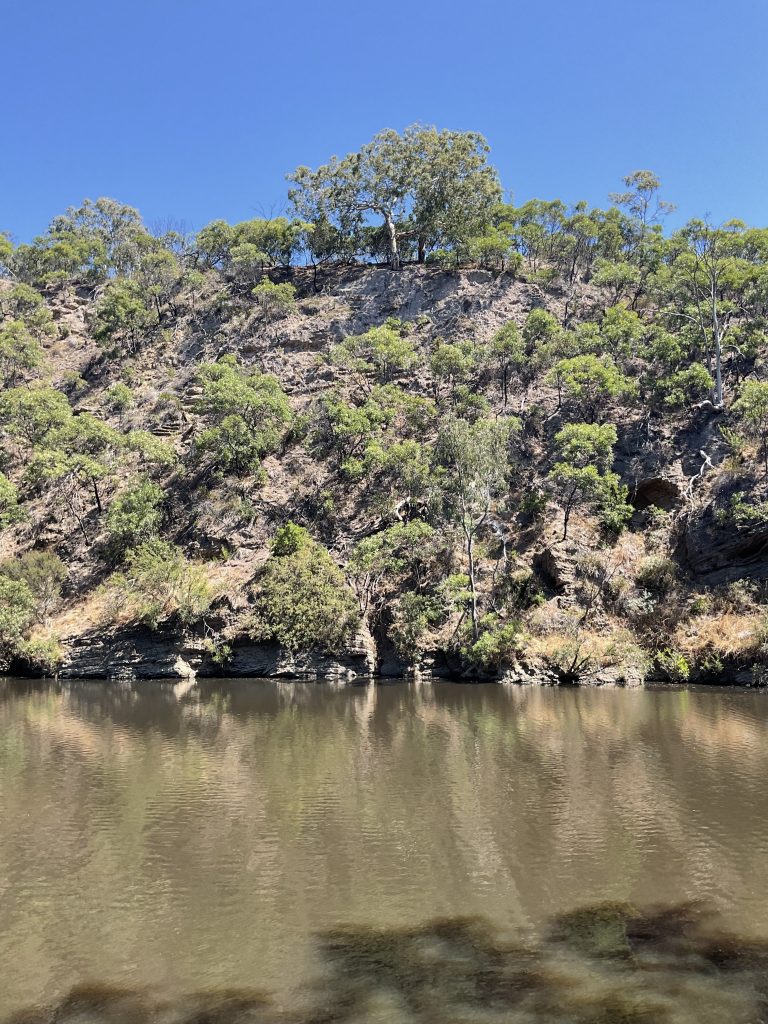
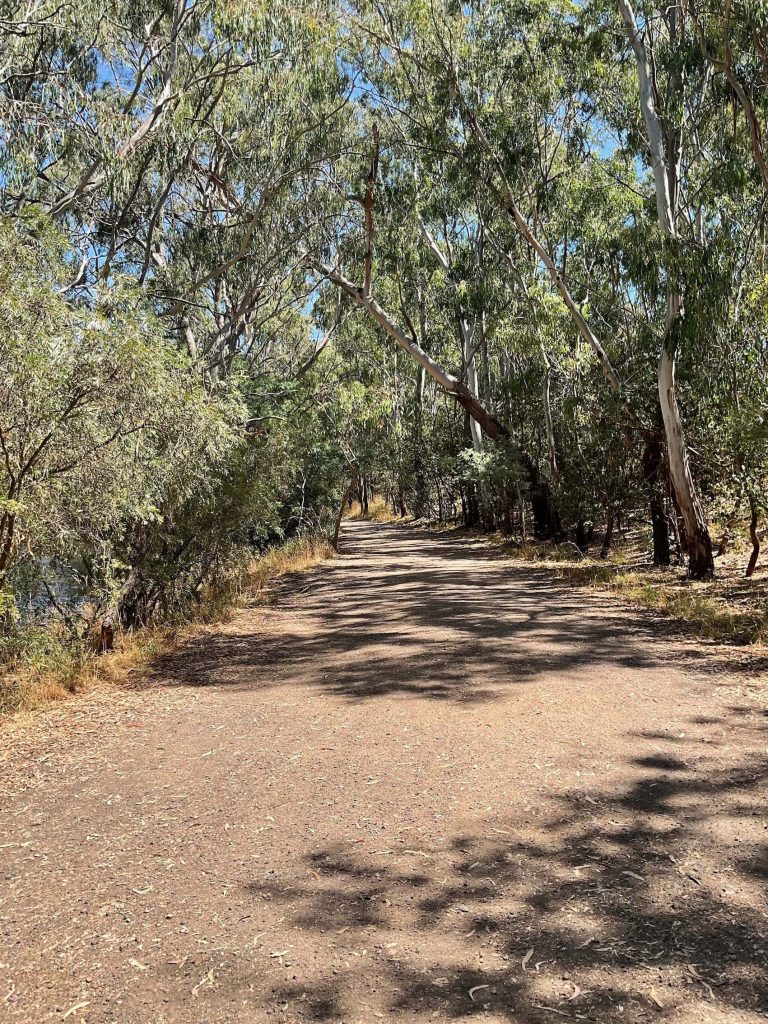
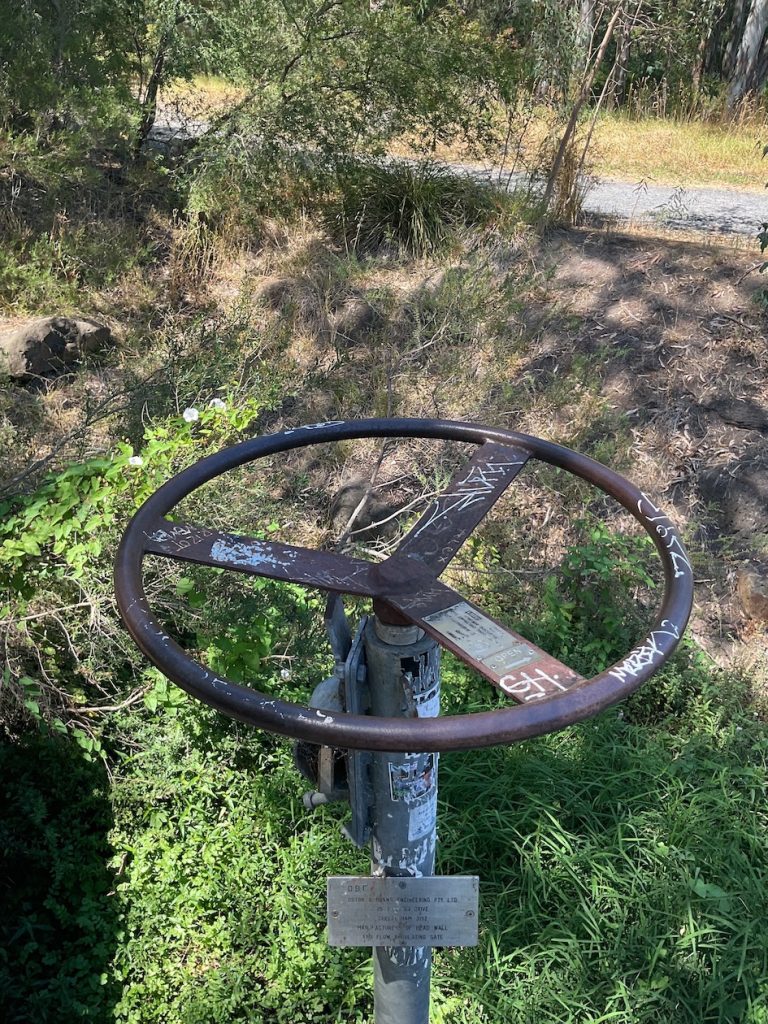
Students will encounter a range of natural sights, smells and textures. They will also encounter a range of examples of manmade interventions which can inspire discussions about how places are impacted by people over time (VC2HG6K01) and the importance of sustainability, including the custodial responsibility of the Wurundjeri Woi-Wurrung traditional owners and our responsibility as local citizens (VC2HG6K04).
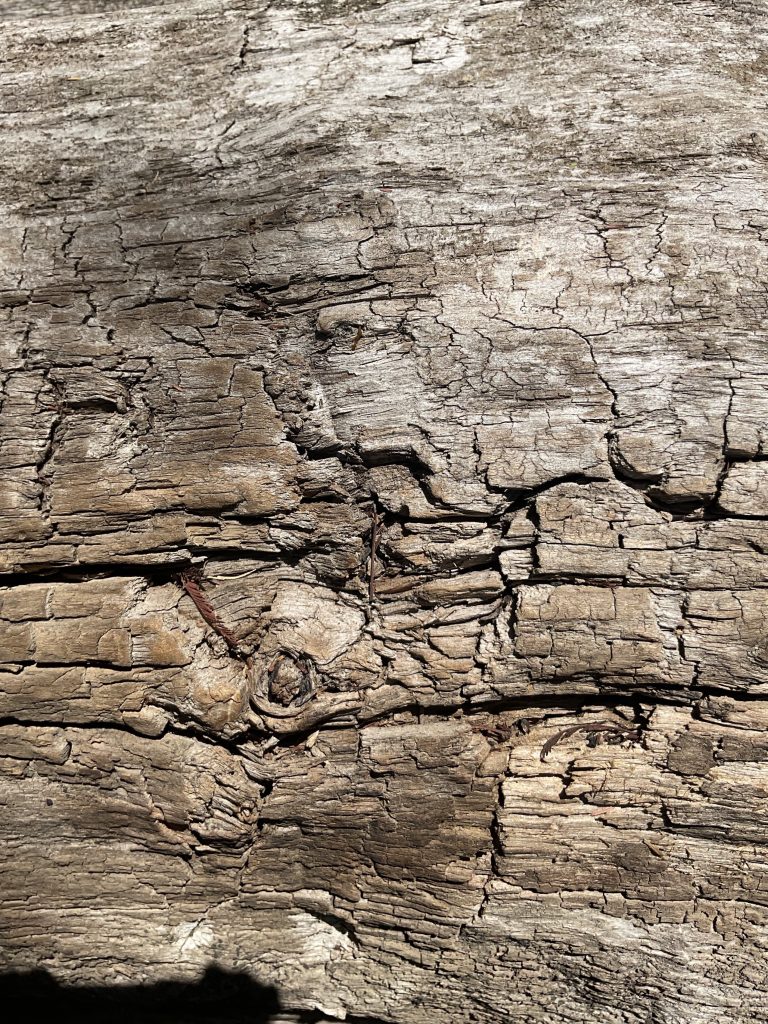
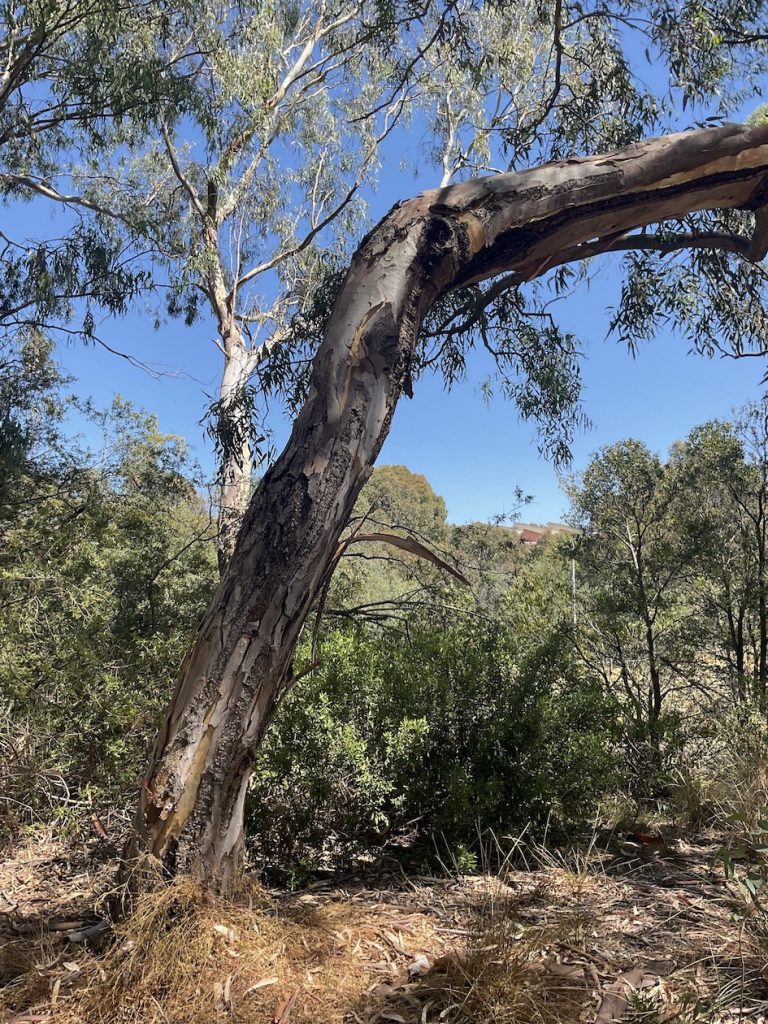
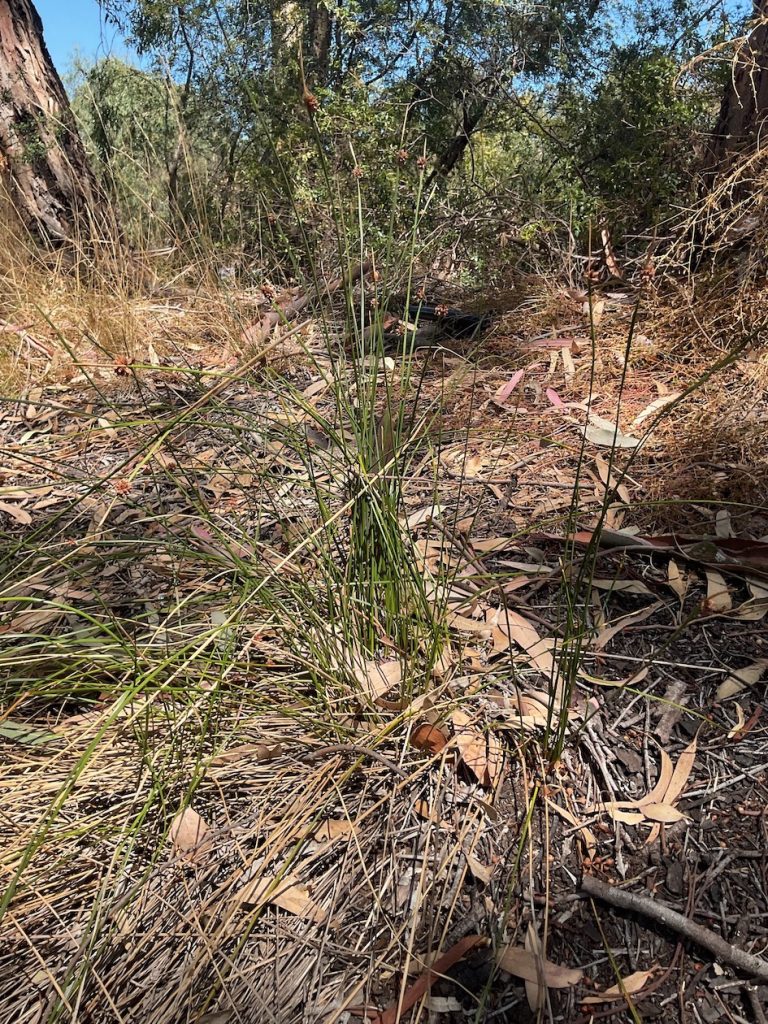
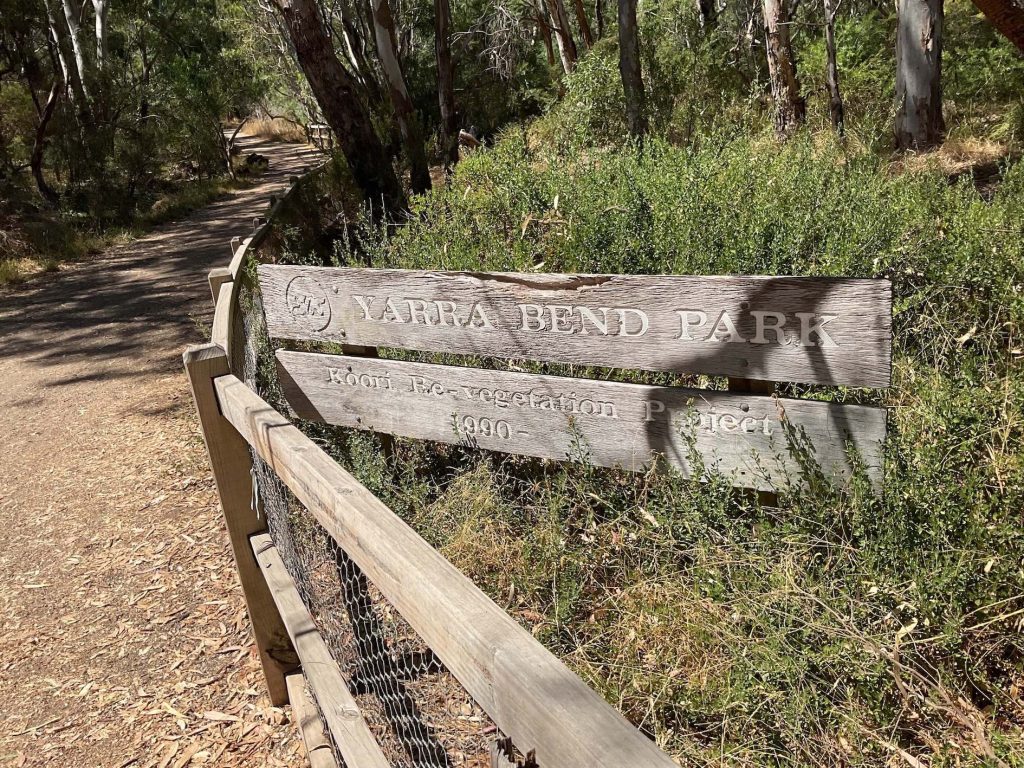
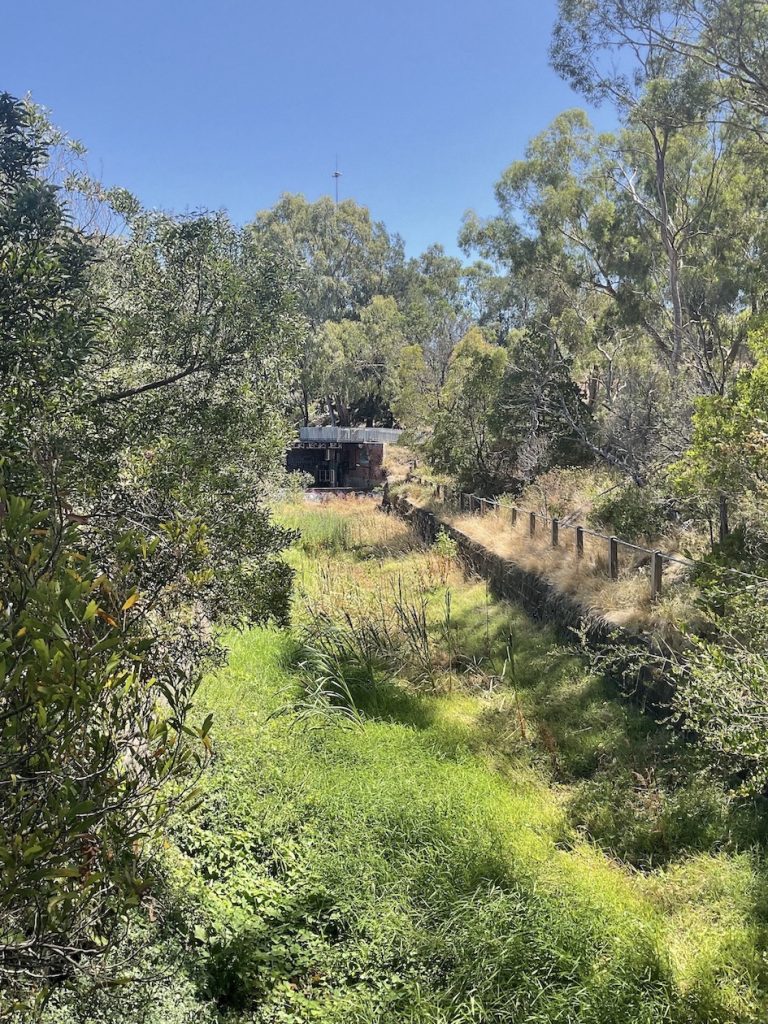
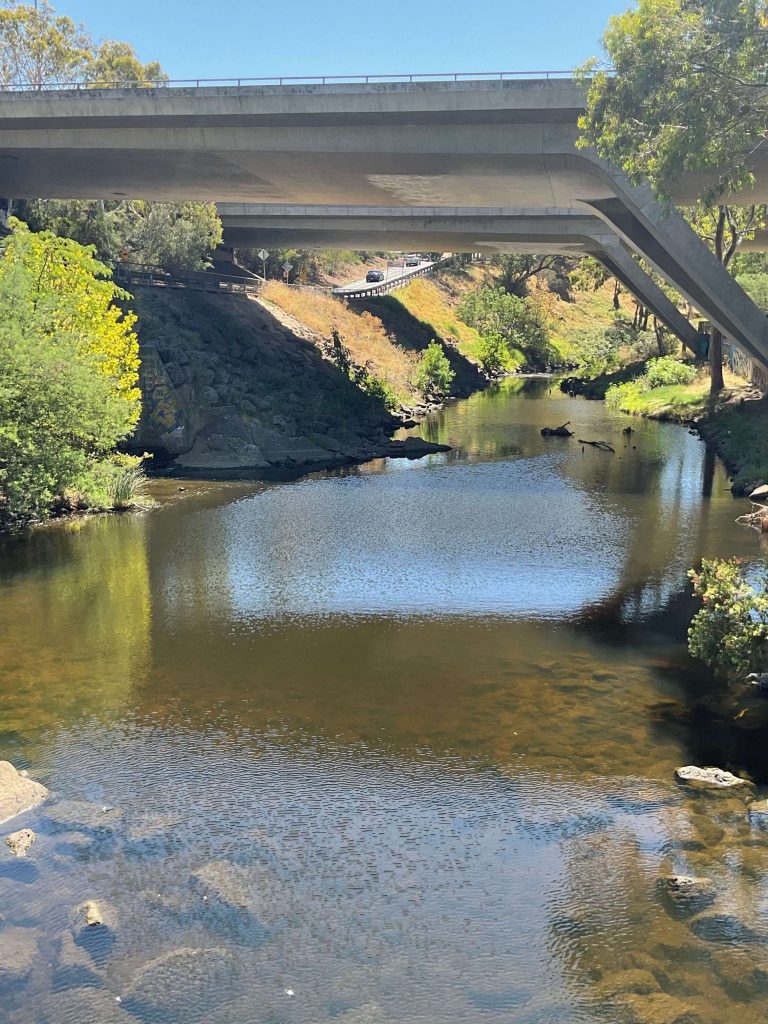
At the end of the walk, students will assemble at the meeting area at Dights Falls and form a yarning circle with their group. They will spend 10 minutes discussing what they observed and how they interpreted each other’s observations along the way. The inquiry questions below can support students to think critically about the the natural and manmade elements in the environment (VC2HG6K01), about the impact of colonisation and the perspectives of the traditional owners (VC2HH6S02, VC2HH6K06, VC2HG6K04) and to develop their questions for further historical investigations (VC2HH6S01).
Groups will be encouraged to share some of their observations and reflections on what life before colonisation may have been like. They are also encouraged to share and demonstrate (sensibly!) some of their non-verbal communication strategies.
Inquiry questions:
- Use all your senses: what can you hear, smell, see, touch and taste?
- Take a moment to do a 360 observation: Look up, down and around. What do you see?
- What do you notice about the rocks and cliffs in this area?
- How did you share observations and express your awe and wonder without words?
- Which way is the water flowing in the river? Are there signs of life?
- What do you think life was life for the Wurundjeri communities who lived here before colonisation?
| Extension: Using your mapping skills, can you locate these landmarks: 1) The “meeting of the waters” where the Birrarung and Merri Creek come together 2) The site of the old water channel where water was diverted from the weir 3) Remnants of the old weir. Support: Observe one thing that you can see, smell, touch and hear from nature. Now do the same again with things that are manmade. |